A Step-by-Step Guide to Remodeling Your Entire Home
Thinking about a whole house renovation can feel overwhelming.
You might be asking:
- “I want to remodel my house, where do I start?”
- “What’s the right order of home renovation?”
- “Is there a clear set of steps to remodeling a house so I don’t miss anything?”
This guide is designed as a practical home remodeling guide for homeowners remodeling in and around cities like Los Angeles and Austin. We’ll walk through how to plan a complete home renovation, what order to follow, and how a builder like Lungu Construction Group helps keep the process structured and calm.
What Is a Whole House Renovation?
A whole home renovation (also called complete house renovation, entire home renovation, or entire home remodel) means you’re intentionally updating most or all of the home in one coordinated project.
That often includes:
- Kitchen and bathroom remodels
- New flooring, paint, doors, and trim
- Layout changes (removing or adding walls)
- System upgrades (electrical, plumbing, HVAC)
- Sometimes exterior work (windows, siding, roof, decks)
You’re not just doing a few rooms—you’re treating the house as a single, connected home renovation project.
Where to Start When Renovating a House
Before you swing a hammer, you need clarity. The biggest mistakes happen when people skip the early planning steps.
1. Define Your “Why” and “How Much”
Ask yourself:
- Why are we remodeling the entire house?
(Comfort, function, value, aging in place, resale, all of the above?) - How long do we plan to stay here?
- What’s our realistic investment range?
Being honest about budget and goals turns “I want to remodel my house, where do I start?” into a focused conversation instead of a vague wish list.
2. List Your Pain Points by Area
Walk through the house and note:
- What isn’t working functionally (storage, flow, light)?
- What feels dated or worn out?
- Which areas matter most for your daily life?
This becomes the backbone of your renovation plan.
3. Prioritize Spaces
For a whole house renovation, it’s still helpful to rank:
- Must-have spaces (kitchen, primary bath, major layout fixes)
- Nice-to-have upgrades (guest rooms, bonus spaces, exterior touches)
If costs need to be adjusted later, you’ll know what can be phased without losing the heart of your complete home renovation.
The Order of Remodeling a House: Renovation “Order of Operations”
Once you’ve clarified goals and priorities, it’s time to think about remodeling steps.
Here’s a high-level step by step house renovation sequence we use as a full home remodeling guide:
Step 1: Pre-Design & Planning
This is where we:
- Clarify goals, budget, and constraints
- Discuss style preferences and inspiration
- Map high-level changes (open plan vs. defined rooms, number of baths, etc.)
You’ll answer key questions like:
- “How can I remodel my house to better support how we live?”
- “How to plan a house renovation that fits our budget and timeline?”
Step 2: Design & Scope Development
With an architect or designer, we:
- Create floor plans and layout options
- Decide which walls move and which stay
- Plan storage, circulation, and sightlines
- Align finish levels (good/better/best) for each area
This is the heart of how to redesign your house—on paper—before committing to construction.
Step 3: Budgeting & Value Engineering
Next, we turn the design into numbers:
- Detailed estimates by trade and category
- Allowances for finishes (tile, cabinets, fixtures, lighting)
- Options to phase or adjust scope
This is where the average cost to remodel a house becomes your specific cost, based on your scope and choices—not just a generic internet range.
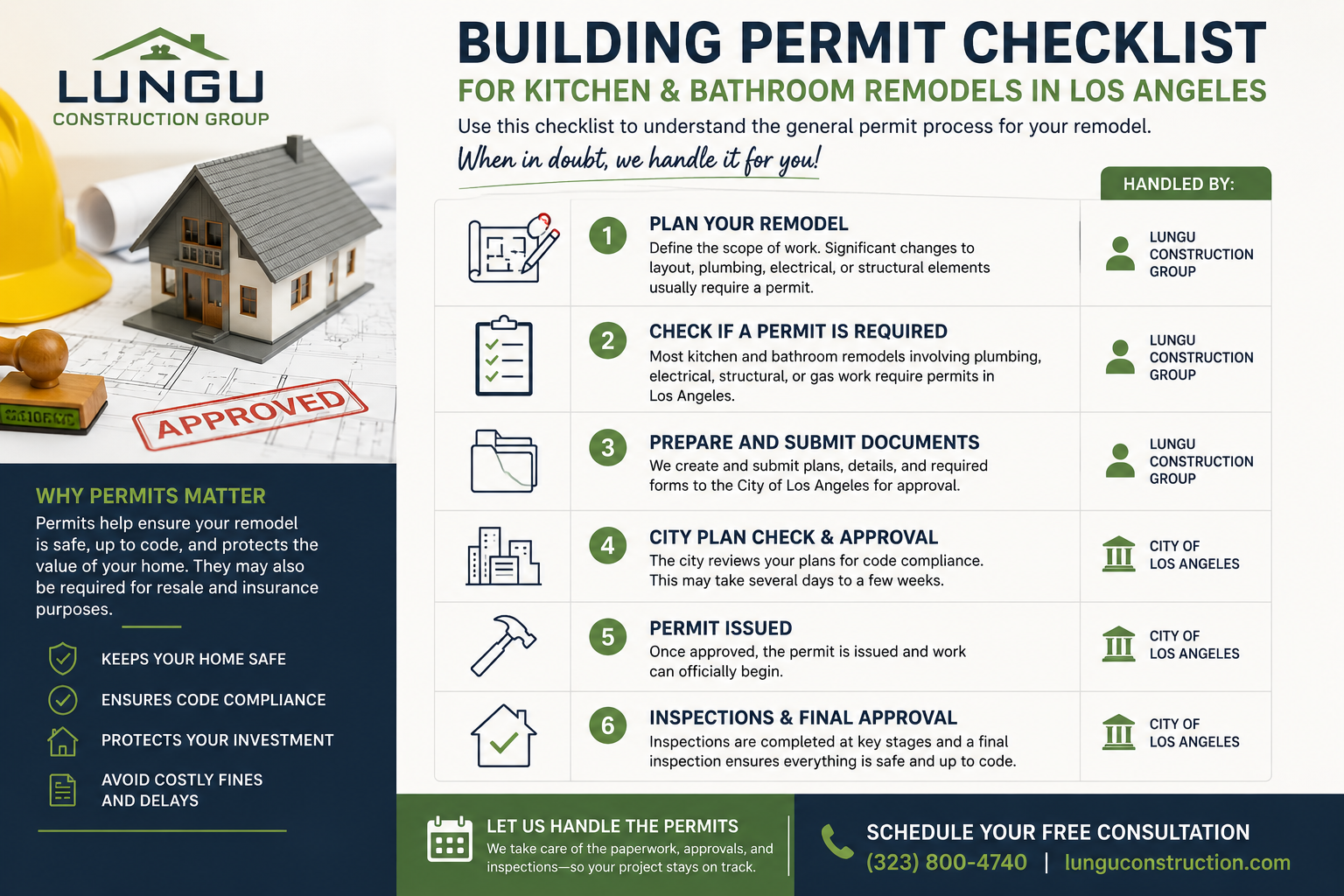
Step 4: Permits and Approvals
For a whole home renovation, permits are almost always involved:
- Structural changes
- Electrical, plumbing, and mechanical work
- Zoning and setback checks if you’re adding space
Starting permits early keeps your home renovation project on track.
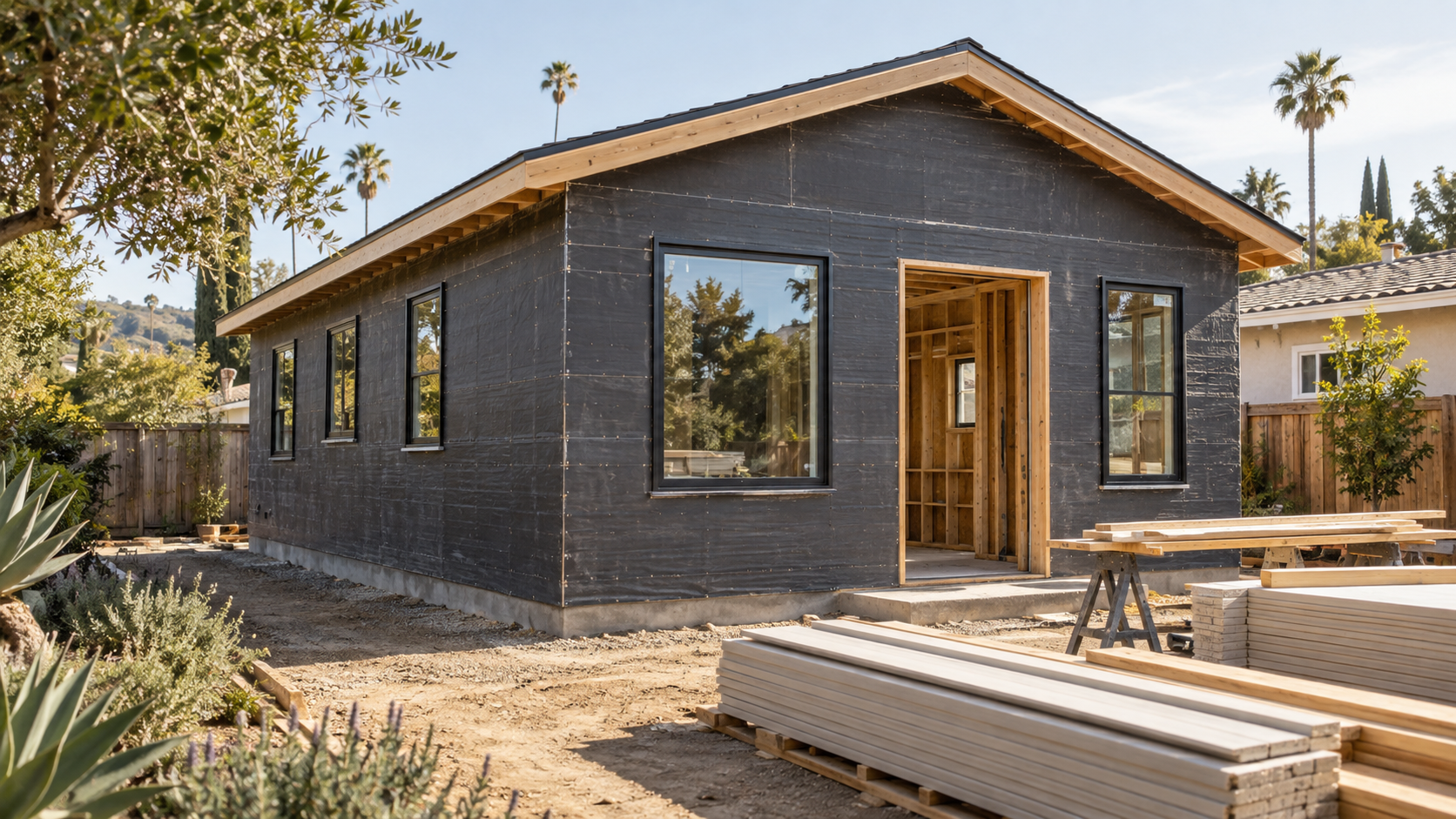
Step 5: Demo and Structural Work
Construction begins with:
- Protecting areas that stay
- Demolition of finishes, fixtures, and walls within scope
- Structural framing and reinforcements
If you’re doing a near complete house renovation, this phase can be dramatic—walls open, floors exposed, systems visible. It’s also where we address any surprises behind the drywall.
Step 6: Rough-In Systems
With framing in place, trades install:
- Electrical wiring, panels, and boxes
- Plumbing supply and drains
- HVAC ductwork and equipment
This is a key part of the order of remodeling a house—all the “inside the walls” work happens before insulation and drywall.
Step 7: Insulation, Drywall, and Closures
Once rough-ins pass inspection:
- Insulation is installed
- Drywall goes up, taped, and finished
- Openings are trimmed, and the house starts looking like a home again
You’ll see your entire home remodel transition from skeleton to structure.
Step 8: Interior Finishes
Now the visual transformation kicks in:
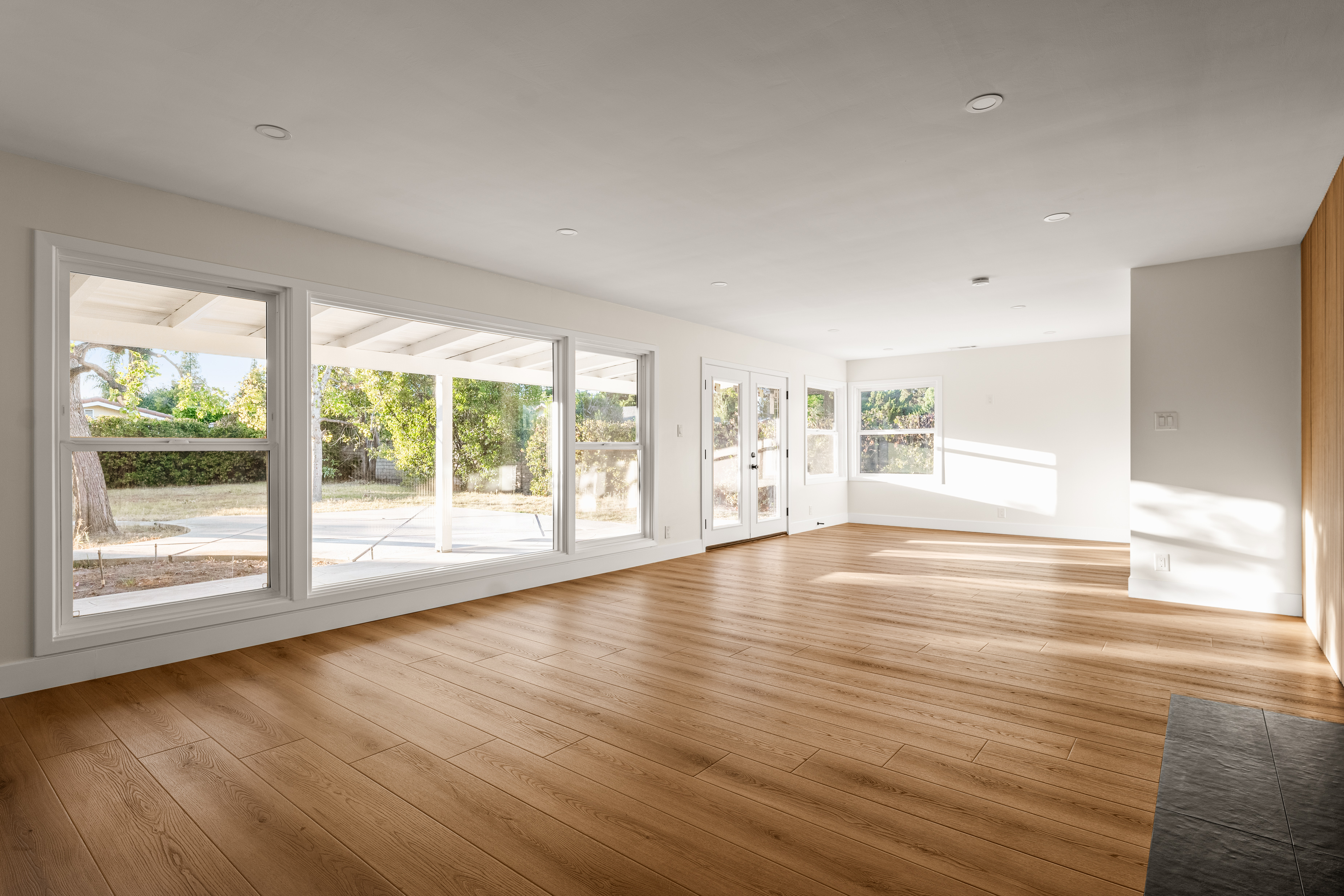
- Flooring installation
- Tile work in baths and kitchen
- Cabinets, countertops, and built-ins
- Interior doors, trim, and millwork
- Painting and wall finishes
This is what most homeowners remodeling think of first—but it only comes after the invisible groundwork is done.
Step 9: Fixtures, Fit-Off, and Details
We then install:
- Plumbing fixtures (sinks, faucets, tubs, showers)
- Light fixtures and switches
- Hardware, mirrors, and accessories
- Final carpentry touch-ups
The order of renovation operations matters here: fixtures go in after surfaces are ready, so everything fits cleanly.
Step 10: Final Walk-Through and Punch List
To finish your whole house renovation:
- We walk the home with you
- Create a punch list of any items to refine
- Complete final touch-ups and cleaning
- Review warranties and maintenance basics
Only then is your entire home renovation truly complete.
How to Start a Home Renovation the Smart Way
If you’re still wondering where to start when renovating a house, here’s a simple roadmap:
- Clarify your “why” and basic budget.
Are you renovating to stay, to sell, or to reconfigure for a new phase of life? - Document your existing house.
Photos, rough measurements, and notes on what bothers you most. - Talk to a builder early.
A good builder will help you think through scope, phasing, and realistic investment levels before you’re locked into drawings. - Build a phased renovation plan if needed.
A renovation plan can break a complete home renovation into stages while still working toward a unified vision.
Whether you search “how to start renovating a house,” “how to start a home remodel,” or “where to start when remodeling a home,” the key is the same: don’t jump into demo without a plan and a team.
Homeowners Remodeling: Common Pitfalls to Avoid
During a whole home renovation, we see a few recurring issues:
- Underestimating scope.
Starting with “just the kitchen” and realizing halfway through that everything around it looks tired. - Skipping design.
Tackling a full entire home remodel with only rough ideas instead of clear drawings and details. - Ignoring order of operations.
Doing finishes too early, then tearing them out again to fix unseen issues. - Choosing the lowest bid without context.
A dramatically lower number often means missing scope or underpriced allowances that show up as change orders later.
A structured home renovation guide and a builder who explains the renovation order of operations will help you avoid these traps.
How Lungu Construction Group Supports Your Whole House Renovation
For cities like Los Angeles and Austin, a whole house renovation has to balance design ambition with real-world constraints (permits, site access, schedules, and budgets).
At Lungu Construction Group, we:
- Take an architecture-led approach to planning your home renovation project
- Map out the order of remodeling a house specific to your home and lifestyle
- Coordinate design, engineering, permitting, and construction under one roof
- Communicate clearly so you always know what’s next
Ready to Plan Your Complete House Renovation?
If you’re serious about a whole home renovation and want a clear, step-by-step path—not just inspiration photos—now is the time to get expert eyes on your project.
Whether you’re just starting to explore how to start a home renovation or you already have plans in hand, we can help you:
- Turn your ideas into a realistic renovation plan
- Understand the true scope and sequence of work
- Move confidently from concept to a finished, cohesive home
Thinking about remodeling your entire house?
Reach out to Lungu Construction Group, share your goals and current plans, and we’ll walk you through a structured, transparent approach to your whole house renovation.