
















01 / 05
Clear scope + line-item estimates
Transparent pricing so you know what’s included before work starts.
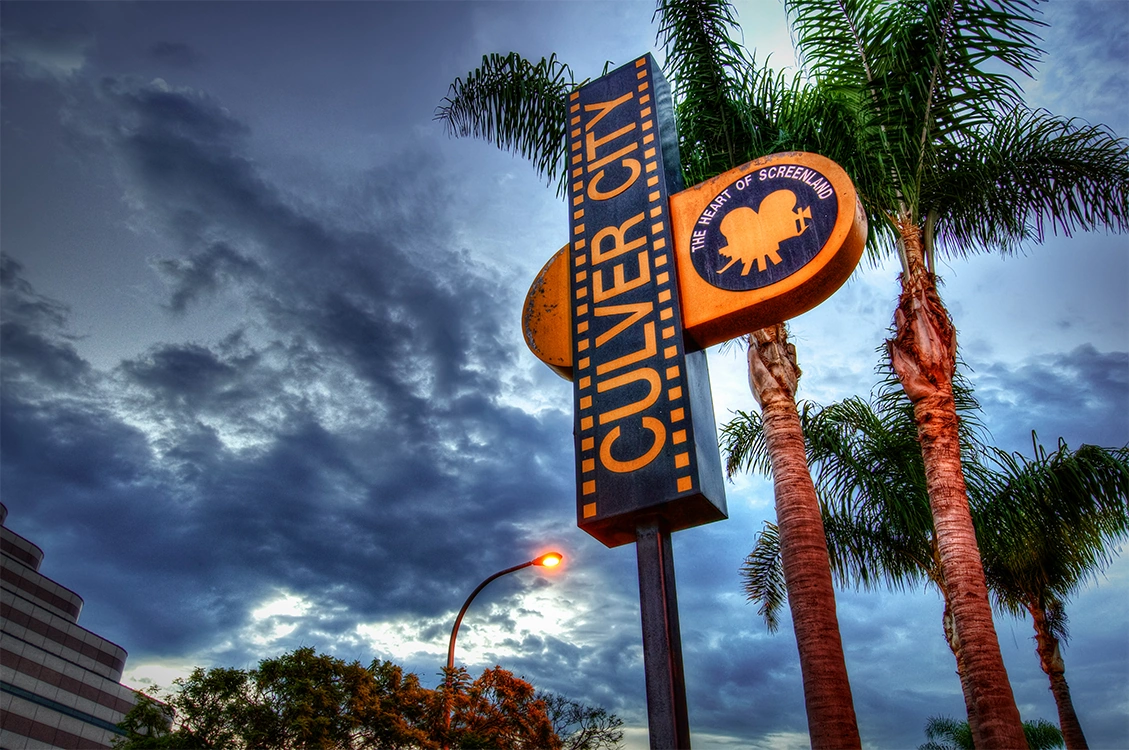
Culver City sits at the center of Los Angeles but operates like its own distinct city. The housing stock here reflects decades of changing architectural styles and development patterns, from Craftsman bungalows near downtown to Spanish Colonial homes in Culver Crest to newer builds in Culver West and along the Metro line.
Remodeling projects here often balance respecting original character with creating contemporary functionality. Homes built in the 1920s and 1930s have good bones but layouts that no longer fit how people live today. Opening kitchens, adding bathrooms, and reimagining floor plans become central to making these homes work for modern homeowners.
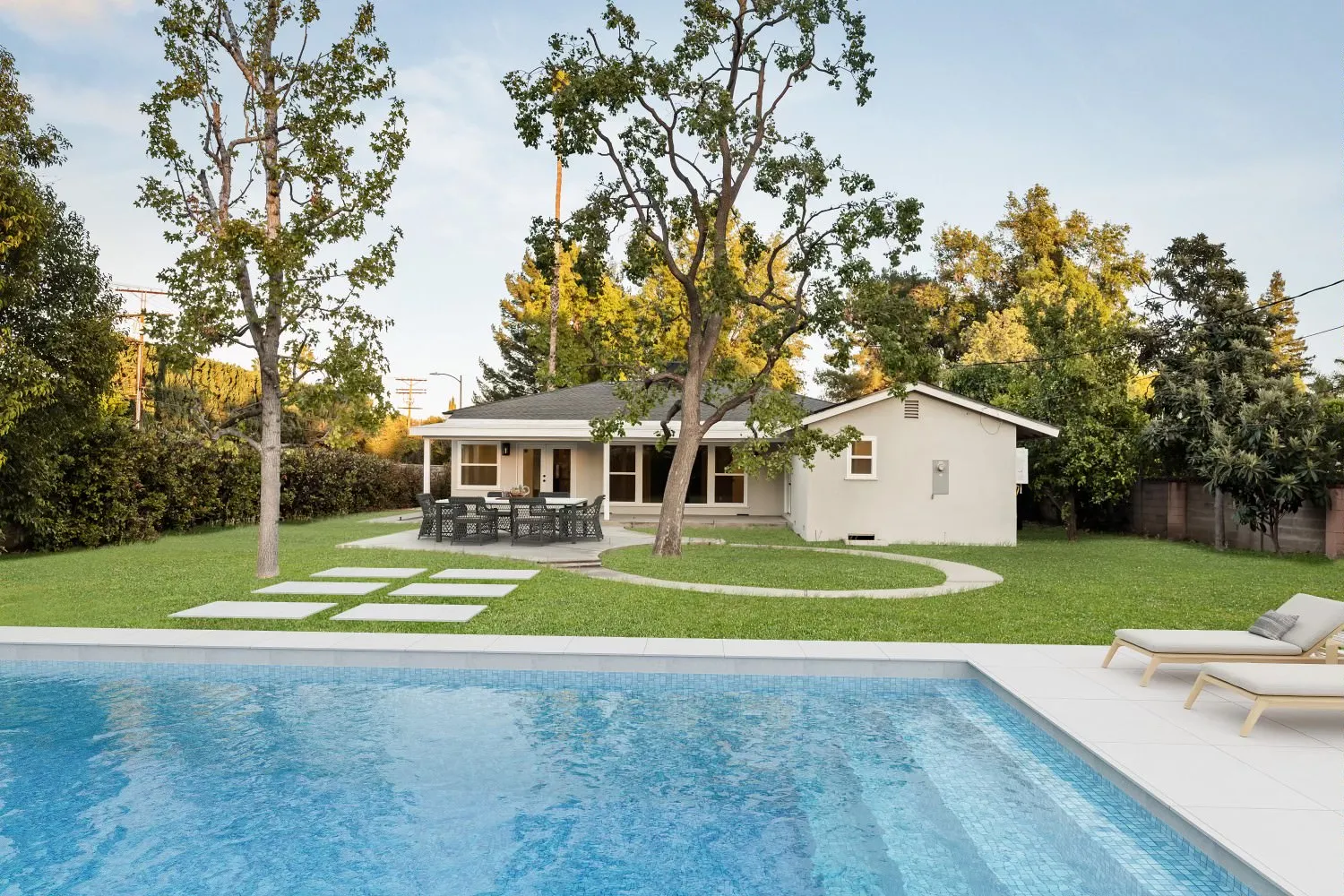
Culver City's housing ranges from compact single-story bungalows to larger two-story homes and Spanish Revival estates. Many homes sit on smaller lots, which makes additions and expansions more about smart design than square footage alone.
Common remodeling projects include:
Many Culver City homes were built before 1950, which means remodeling often involves addressing outdated electrical, plumbing, and foundation systems. These aren't just details to overlook during a cosmetic update. They shape project timelines, budgets, and what's structurally feasible.
A kitchen remodel might uncover knob-and-tube wiring or galvanized plumbing that needs replacement. A second-story addition requires evaluating the existing foundation and framing capacity. These projects go smoother when the contractor understands older construction and plans for what might be hidden behind walls.
Remodeling an older home isn't about fighting its age. It's about understanding what's there and building forward with that knowledge.
Culver City homeowners tend to care about design. The city's proximity to creative industries and its walkable downtown culture attract people who value how their homes look and function.
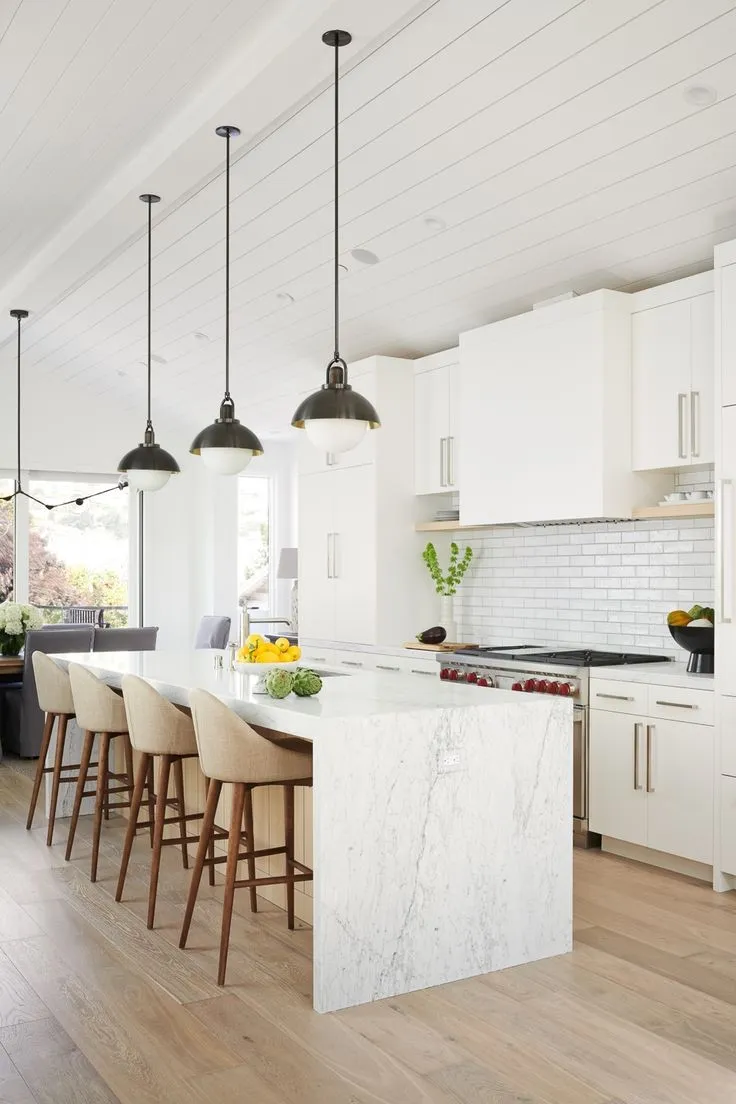
Remodeling projects here often lean toward clean, contemporary interiors with natural materials and thoughtful detailing. Homeowners want spaces that feel curated but livable. Kitchens with custom cabinetry, well-considered lighting, and durable finishes. Bathrooms that feel spa-like without being over-styled.
High-end residential remodeling in Culver City typically involves natural stone countertops, hardwood or wide-plank flooring, custom millwork, and quality tile. Homeowners expect finishes that will last and age well, not just look good in photos.
The goal is spaces that feel refined and intentional without feeling overly formal or trendy.
Culver City has its own building and planning department, separate from Los Angeles. The permitting process here is generally straightforward but requires attention to local codes, setback rules, and sometimes design review depending on the neighborhood and scope.
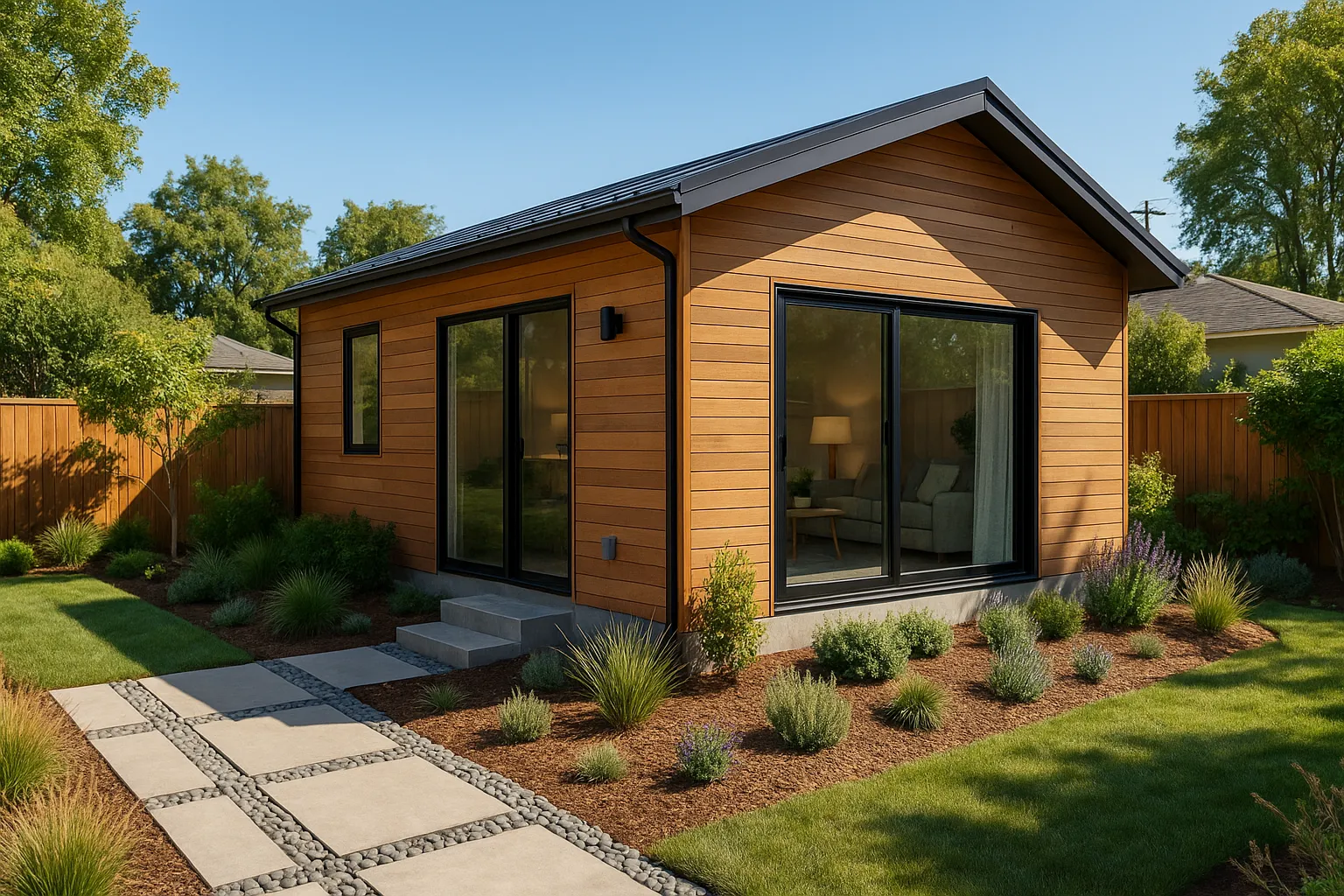
Additions and major remodels require plan check and inspection. ADUs follow specific local guidelines that differ from LA County rules. Working with a contractor familiar with Culver City permitting helps avoid delays and ensures projects meet local standards from the start.
Lot sizes in Culver City often make vertical expansion more practical than expanding outward. Second-story additions are common, especially for homeowners who need more bedrooms or want a larger primary suite.
These projects require structural evaluation of the existing foundation and framing. Some homes can support a second story with reinforcement. Others need more extensive foundation work. Either way, a well-designed second story should feel like it belongs on the home, not like an afterthought.
Some homeowners choose to renovate their entire Culver City home rather than move. These projects involve gutting interiors, updating all systems, reconfiguring layouts, and often adding space through additions or ADUs.
A full-home transformation takes longer and costs more than a single-room remodel, but it delivers a home tailored to how you actually live. It's a significant investment that makes sense when the location, lot, and bones of the house are right.
Culver City offers walkability, strong schools, Metro access, and a central location that makes it easier to get around LA. Homeowners invest in remodeling here because the location itself has lasting value.
Renovating a home in Culver City isn't just about improving the house. It's about making a home in a city that continues to grow and evolve while maintaining its own character.

Los Angeles & Austin
See the quality of our craftsmanship in homes across Los Angeles and Austin.

Testimonials

The Lungu Method
We bridge the gap between architectural vision and flawless execution. From the first permit walkthrough to the final hand-off, our team manages the complex logistics, coordinates specialist trades, and maintains a rigorous schedule.

Our Standards
Behind the Build

FAQ

Yes. We’re an architecture-led builder and regularly collaborate with architects and interiors teams to protect design intent from plan to punch list.
Los Angeles, CA and Austin, TX. For projects outside these areas, contact us to discuss feasibility.
Absolutely. We offer pre-construction support—scope, budget ranges, timelines, and permitting guidance—to set the project up for success.
We provide transparent line-item estimates. After selections are finalized, we convert to a fixed scope and schedule before construction starts.
We can manage permitting, scheduling, and inspections, coordinating directly with your municipality and design team.
Weekly updates with milestones, photos, and next steps. You’ll have a single point of contact for decisions and approvals.
Yes—fully licensed and insured in California and Texas. Documentation is available upon request.
Yes. We provide workmanship warranties and pass through manufacturer warranties on materials and fixtures.
