Architecture-led builder specializing in thoughtful renovations in Los Angeles and Austin.
Adding On to Your Home: Ideas, Design Considerations, and What to Plan For
If you’re running out of space but love where you live, adding on to your home can be one of the smartest ways to improve function without starting over somewhere new.
You may also be searching for things like:
“add on addition to home”
“house addition designs”
“home room additions”
“residential house additions”
“adding onto a house ideas”
“room addition ideas”
This guide walks through the most common types of additions, what to think through before you build, and how to approach an addition in a way that feels seamless instead of tacked on.
Why Homeowners Add Onto Their Homes
Most additions start with a simple problem: the house no longer fits the way you live.
There are a few common reasons people start exploring adding on to your home in the first place:
You need another bedroom for a growing family
You want a larger kitchen or more open living area
You need a dedicated office, guest suite, or flex room
You want to age in place and need a better first-floor layout
You love your neighborhood and lot, but the house feels too small
In many cases, the goal is not just “more square footage.” It is better flow, better usability, and a home that supports the next stage of life.
What Counts as a Home Addition?
A home addition is any project that increases the livable footprint of the house.
That can include several different types of residential house additions, such as:
A new bedroom or guest room
A primary suite addition
A larger kitchen expansion
A family room or great room addition
A home office or flex room
A second-story addition
An attached ADU or in-law suite
Some home room additions are relatively straightforward, while others involve major structural, permitting, and design coordination. The right path depends on your lot, your existing house, and what you’re trying to achieve.
Popular Room Addition Ideas
When homeowners start brainstorming, they usually begin with the room that would improve daily life the most.
Here are some of the most common room addition ideas people consider:
Bedroom Addition
A bedroom addition can be a practical move for a growing household.
This type of addition is often used for:
A new child’s room
A guest bedroom
A ground-floor bedroom for aging parents
A future resale boost in markets where bedroom count matters
The design challenge is making the room feel like it was always part of the original house, not an afterthought.
Primary Suite Addition
A primary suite addition is one of the most transformative adding onto a house ideas because it can dramatically improve both comfort and privacy.
These additions often include:
A larger bedroom
Walk-in closet space
A dedicated bathroom
Better separation from children’s or guest rooms
This type of project often adds the most day-to-day luxury, but it also requires careful planning around plumbing, layout, and exterior massing.
Kitchen Expansion
Many older homes have kitchens that are simply too tight for modern life.
A kitchen addition or expansion can create space for:
A larger island
Better storage and pantry space
Improved circulation
Stronger connection to dining or living spaces
More natural light with added windows or doors
Among all home room additions, this is one of the most common because kitchens tend to be the center of how families gather and function.
Family Room or Great Room Addition
If your current living spaces feel cramped, a family room addition can completely change how the home lives.
This type of addition is often used to create:
More open seating and entertaining space
Better indoor-outdoor flow
Room for larger families to gather
A more modern layout connected to the kitchen
For many homeowners, this is one of the best adding onto a house ideas because it improves the experience of the whole home, not just one room.
Home Office Addition
Remote work changed what many people need from their homes.
A home office addition can provide:
Privacy for work calls and meetings
Separation from noisy family areas
Built-in storage or shelving
A flexible room that could later become a nursery, study, or guest room
This is one of the most practical room addition ideas because it solves an immediate problem while staying versatile for the future.
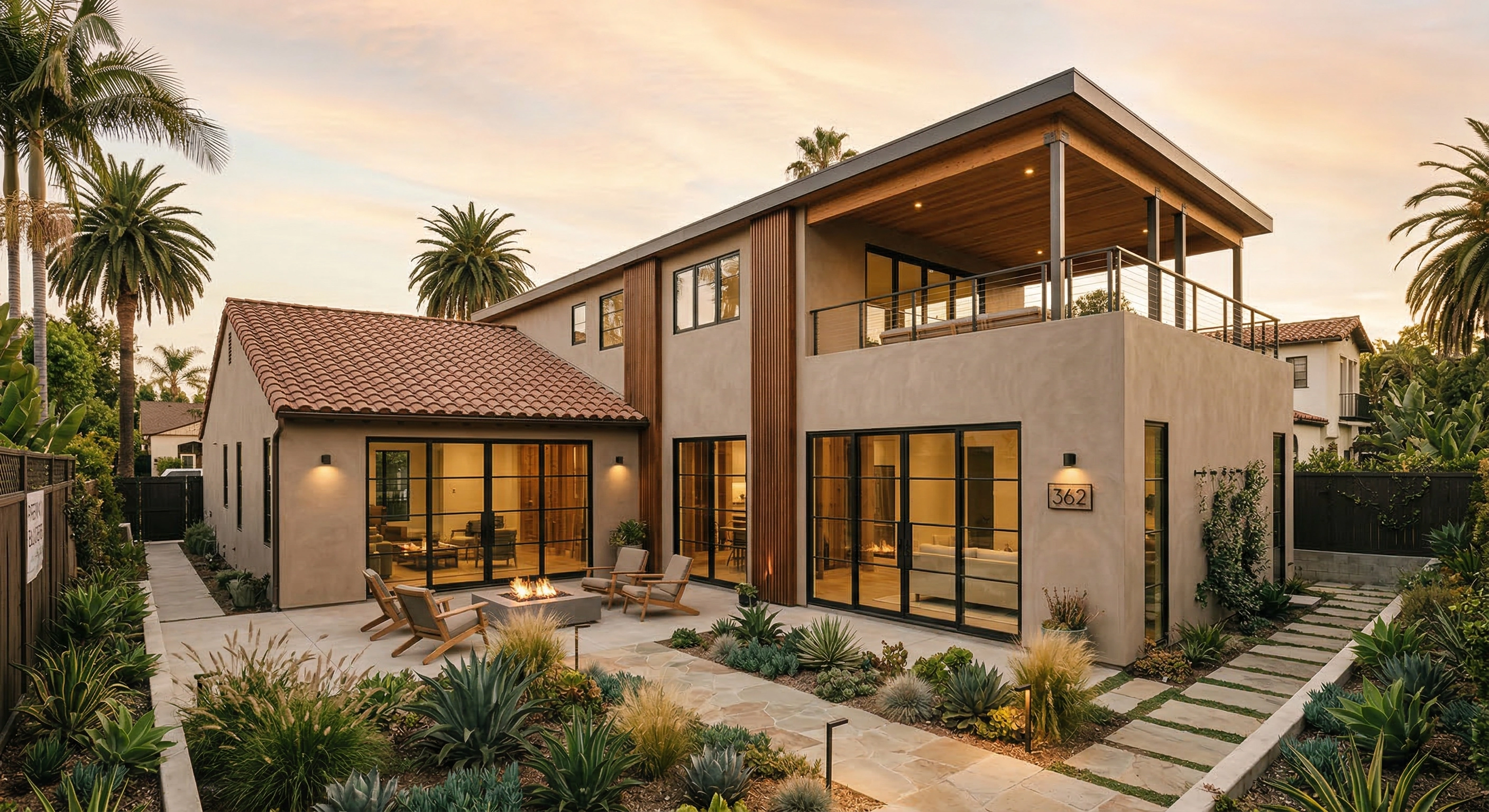
House Addition Designs: What Makes an Addition Feel Intentional
Not all additions are created equal. A good addition should feel integrated with the house, not like a box stuck on the side.
When evaluating house addition designs, the goal is to think beyond square footage and consider how the new space connects to the old one.
Strong addition design usually focuses on:
Rooflines that relate to the original home
Window placement and proportions that feel consistent
Exterior materials that blend with or elevate the existing façade
Interior transitions that feel natural, not awkward
Circulation that improves how the whole home flows
A well-designed addition should make the house feel more complete, not more complicated.
Questions to Ask Before Adding On to Your Home
Before you fall in love with one of your favorite adding onto a house ideas, you need to pressure-test the concept.
There are a few core questions every homeowner should answer early:
1. Where Can the Addition Actually Go?
Your lot will shape the project as much as your wish list.
You need to evaluate things like:
Setback requirements
Easements
Utility locations
Existing trees or hardscape
Driveway and access constraints
The available footprint may determine whether you pursue a rear addition, side addition, or second story.
2. Should You Build Out or Build Up?
This is one of the biggest strategic choices in any add on addition to home project.
Building out may be best when:
You have enough lot depth or side yard space
You want easier construction sequencing
You prefer to avoid major roof removal across the whole house
Building up may be best when:
Your lot is tight
You want to preserve yard space
The structure can support a second story or can be upgraded to do so
Each route has different design, engineering, and budget implications.
3. How Will the Addition Affect the Existing Layout?
A good addition does not just add space. It solves flow problems.
Before moving forward, you should ask:
Will the addition improve circulation or create awkward dead zones?
Will existing rooms need to be reworked to connect properly?
Are you accidentally making one part of the house oversized while the rest still feels dated?
Does the new space align with how you actually live?
Sometimes the best home room additions also include selective renovations to surrounding spaces so the whole house works together.
4. What Systems Will Need to Be Extended or Upgraded?
An addition is never just about walls and finishes.
Depending on scope, your project may require:
Electrical panel upgrades
HVAC expansion or rebalancing
Plumbing extensions
Foundation work
Structural reinforcement
These “behind the scenes” items are a major part of successful residential house additions and should be considered from the start.
Common Types of Residential House Additions
Home additions can take a variety of forms, depending on the home and site.
Here are some of the most common types of residential house additions homeowners explore:
Rear Addition
A rear addition is often the cleanest option when there is enough backyard space.
It’s commonly used for:
Kitchen expansions
Family room additions
Combined kitchen-living expansions
New primary suites
This is one of the most popular ways of adding on to your home because it often has the least impact on street-facing curb appeal.
Side Addition
A side addition can work well on wider lots with unused side yard space.
It’s often used for:
Expanding smaller homes
Creating mudrooms or offices
Enlarging kitchens or dining spaces
Adding garage-adjacent utility areas
The challenge is making sure the new massing feels balanced from the street.
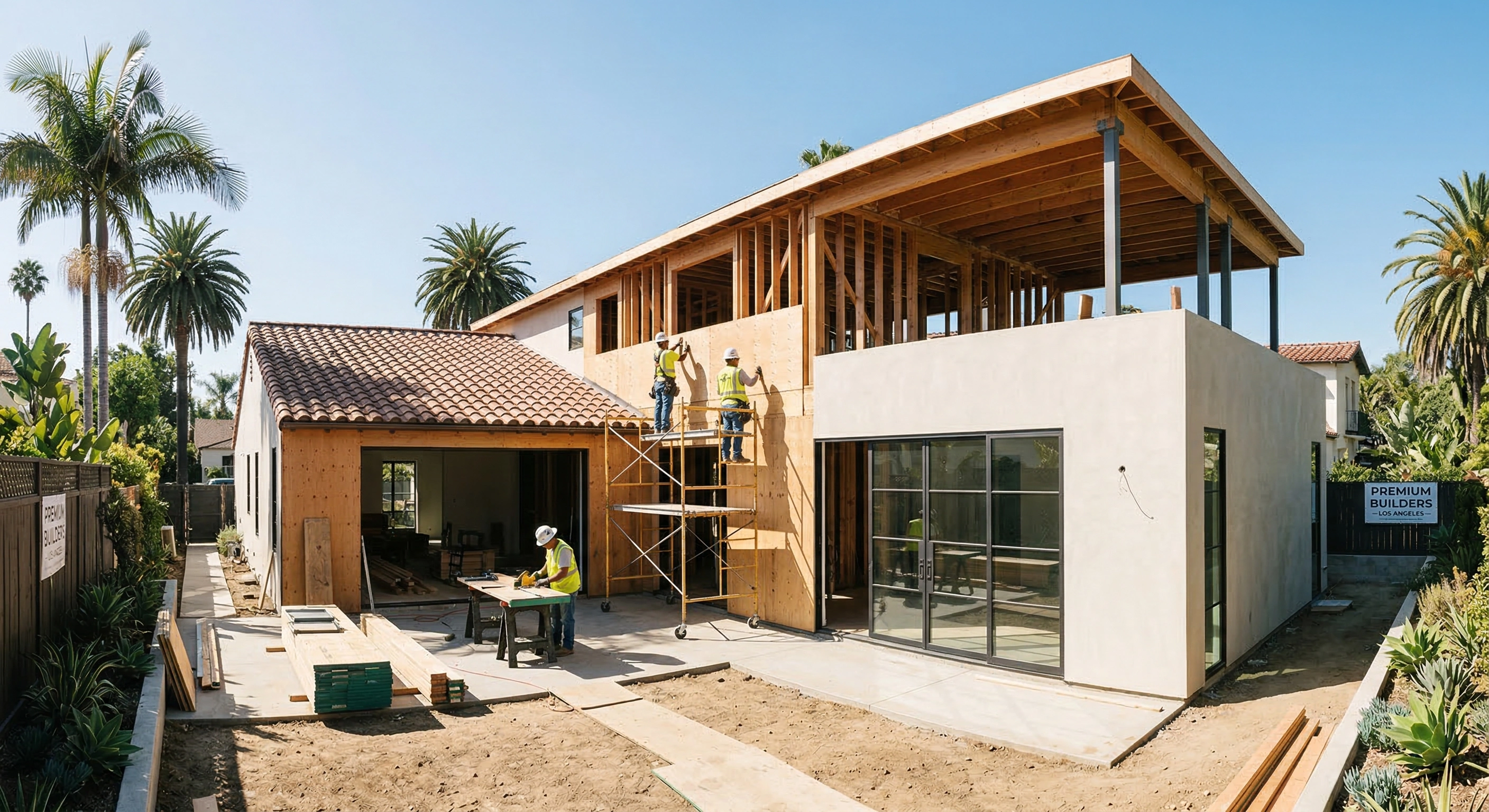
Second-Story Addition
A second-story addition adds significant square footage without giving up yard space.
This approach is often used when homeowners want:
Multiple bedrooms upstairs
A full primary suite
Better separation between public and private zones
A major long-term upgrade while staying on the same lot
Of all house addition designs, second-story projects usually require the most structural coordination.
Bump-Out Addition
A bump-out is a smaller-scale addition that extends an existing room.
It can be a smart choice when you need:
A larger kitchen footprint
More room in a bathroom
Space for a breakfast nook
A more comfortable bedroom layout
This is often one of the most efficient adding onto a house ideas because it can solve a specific functional problem without the scale of a full room addition.
How to Plan an Addition the Right Way
An addition works best when it starts with a clear plan, not just a sketch or wish list.
A smart planning process usually includes a few important steps:
Define the Goal First
Before discussing finishes, get clear on the real reason for the project.
That might be:
More privacy
Better entertaining space
A more functional family layout
Future resale value
Better indoor-outdoor living
The clearer the goal, the easier it is to evaluate design decisions.
Build a Priority List
Not everything has to happen at once.
It helps to separate your goals into:
Must-haves
Nice-to-haves
Future-phase ideas
This helps keep the project focused and makes it easier to align scope with budget.
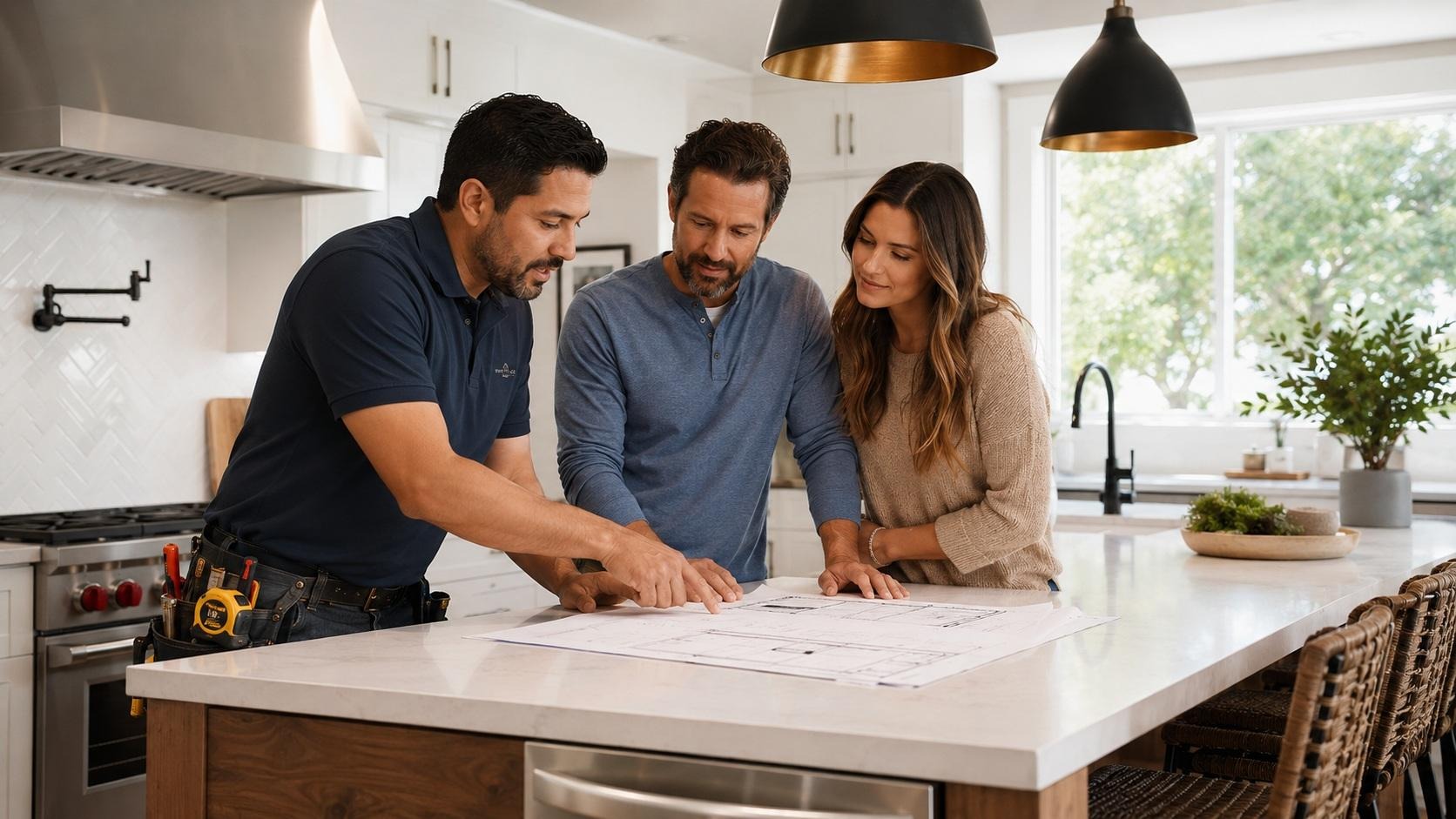
Involve a Builder Early
A builder can help you understand what is realistic before the design goes too far.
Early builder input is valuable because it helps with:
Lot and structural feasibility
Budget alignment
Construction sequencing
Material and system considerations
Identifying where selective renovation should happen alongside the addition
This is especially important with home room additions, where the new space has to connect cleanly to the existing house.
How Lungu Construction Group Approaches Home Additions
At Lungu Construction Group, we see additions as more than just extra square footage. A successful addition should feel like it belongs, perform well, and improve how the entire house lives.
Our approach to adding on to your home focuses on a few core principles:
We start with your actual lifestyle and goals, not just the number of square feet you want
We evaluate the home, lot, and structure before pushing design too far
We think through how the addition affects the existing layout and exterior composition
We coordinate design, permitting, and construction so the process stays clear and intentional
We aim for additions that feel integrated, refined, and built to last
Whether you’re exploring room addition ideas, evaluating house addition designs, or seriously considering an add on addition to home, the right strategy makes all the difference.
Ready to Explore Adding On to Your Home?
If your current house no longer fits your life, moving is not your only option. A thoughtfully planned addition can give you the extra room you need while preserving the location and home you already love.
If you’re thinking about adding on to your home, Lungu Construction Group can help you:
Clarify the right type of addition for your goals
Evaluate your home and lot constraints
Develop a smart plan for design, scope, and construction
Turn your ideas into a cohesive, livable expansion
Thinking about an addition? Reach out to Lungu Construction Group and let’s talk through the smartest way to expand your home.
Articles & Insights
Practical Guides for Calmer Builds
Field-tested advice on planning, budgets, materials, and timelines—written by an architecture-led builder serving Los Angeles and Austin.