TL;DR
Kitchen remodels get more expensive when the scope is unclear, the layout is rushed, plumbing and electrical needs are missed, materials are chosen too late, or the contractor is selected only by the lowest estimate.
Kitchen Remodel Mistakes That Can Make Your Project More Expensive
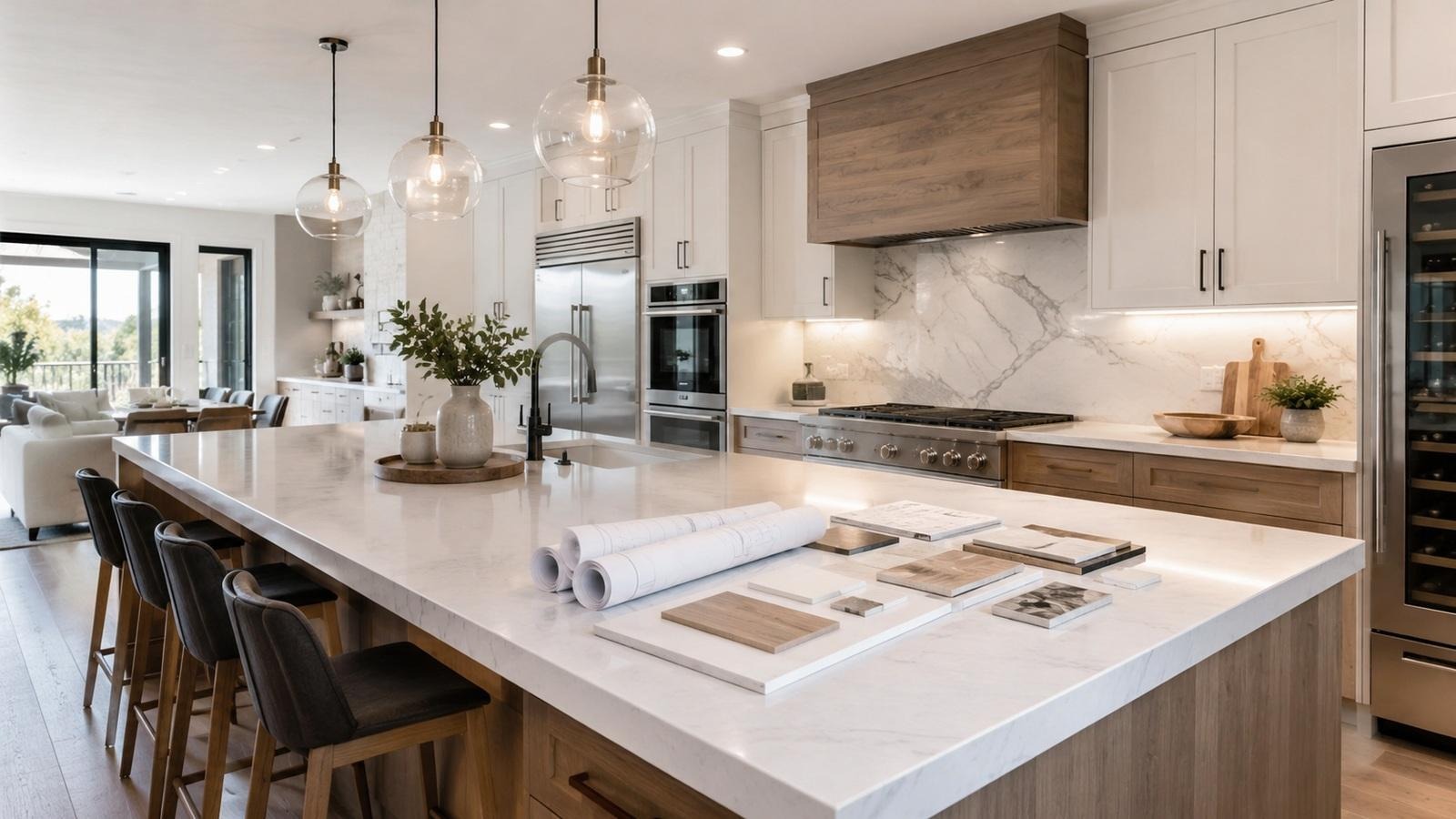
A kitchen remodel is exciting, but it can also become stressful if the project is not planned correctly.
Homeowners often start with inspiration photos, cabinet colors, countertops, or appliances. Those details matter, but the real success of a kitchen remodel starts much earlier.
The biggest problems usually come from unclear budgets, layout changes, missing electrical planning, poor storage decisions, low-quality materials, or hiring based only on the lowest estimate.
If you are planning a kitchen remodel in Los Angeles, Orange County, or Austin, here are the mistakes that can make the project more expensive and how to avoid them.
Mistake 1: Starting Without a Clear Scope
One of the most common mistakes is starting the project without a clear scope. A homeowner may say, “We just want to update the kitchen,” but that can mean many different things.
Are you only replacing cabinets and countertops? Are you moving plumbing? Are you adding an island? Are you removing a wall? Are you changing flooring throughout the connected living area? Are you upgrading appliances, lighting, and electrical?
A clear scope helps everyone understand what is included, what is not included, and what decisions need to be made before work begins.
Mistake 2: Choosing a Layout Too Quickly
The kitchen layout affects almost everything: plumbing, electrical, cabinets, appliances, traffic flow, storage, lighting, and cost. Choosing a layout too quickly can lead to expensive changes later.
Before finalizing the layout, think about how you actually use the kitchen. Do you cook often? Do you need more counter space? Do kids do homework at the island? Do you entertain? Is the refrigerator in an awkward spot? Is the sink too far from the prep area?
A beautiful layout is not enough. It also needs to work for daily life.
Mistake 3: Moving Plumbing Without Understanding the Impact
Moving a sink, dishwasher, gas line, or refrigerator water line can sometimes improve the kitchen, but it can also increase the scope of work. Plumbing changes may affect walls, floors, cabinets, inspections, and timeline.
That does not mean you should never move plumbing. Sometimes it is the right decision. But it should be discussed early so the budget reflects the real work involved.
Mistake 4: Forgetting Electrical and Lighting Planning
Modern kitchens need more than one ceiling light. Homeowners should think about recessed lighting, pendant lights, under-cabinet lighting, appliance circuits, outlet placement, island outlets, task lighting, dimmers, and smart switches.
Electrical planning is especially important in older homes. If the existing electrical system is outdated or does not support the new appliance plan, updates may be needed.
The worst time to realize you need another outlet is after cabinets and backsplash are already installed.
Mistake 5: Picking Cabinets Based Only on Appearance
Cabinets are one of the biggest parts of a kitchen remodel, and they affect both the look and function of the space. Choosing cabinets only because they look nice can lead to storage problems later.
Think about what you need to store: pots, pans, small appliances, pantry items, spices, trash bins, cleaning supplies, plates, serving dishes, and everyday items.
Good cabinet planning may include deep drawers, pullout shelves, pantry storage, hidden trash, appliance storage, and better organization. The goal is not just a pretty kitchen. The goal is a kitchen that works.
Mistake 6: Not Thinking About Countertop Use
Countertops are not only about color. They need to match how the kitchen will be used. Some homeowners want a high-end look. Others want durability, low maintenance, or a family-friendly surface that can handle daily use.
Before choosing a countertop, think about cooking habits, cleaning expectations, stain resistance, heat resistance, edge profile, backsplash style, and how the material pairs with cabinets and flooring.
Mistake 7: Choosing Materials That Do Not Fit the Home
A kitchen should feel connected to the rest of the house. This is especially important if the remodel opens into the living room or dining area.
Flooring, cabinet color, hardware, lighting, wall color, and finishes should work with the home’s overall style. A kitchen that looks beautiful by itself can still feel out of place if it does not match the rest of the home.
Mistake 8: Ignoring Ventilation
Ventilation is easy to overlook, but it matters. Cooking produces heat, steam, smoke, odors, and grease. A good ventilation plan helps keep the kitchen cleaner and more comfortable.
Range hood placement, ducting, ceiling height, cabinet layout, and appliance choices should be considered early in the design.
Mistake 9: Waiting Too Long to Pick Finishes
Delays often happen when finish selections are not made early enough. Cabinets, countertops, tile, flooring, hardware, lighting, fixtures, and appliances can all affect the schedule.
If materials are backordered or changed late, the project may slow down. Making selections early helps the contractor plan the sequence of work and avoid unnecessary delays.
Mistake 10: Hiring Based Only on the Lowest Estimate
A low estimate can be tempting, but it is not always the best value. If the estimate does not include important items, the final cost can grow through change orders, delays, or rework.
When comparing contractors, look at communication, scope clarity, licensing, experience, process, project planning, and how well they explain what is included.
A good kitchen remodel needs coordination between trades, materials, schedule, inspections, and design decisions. The contractor you choose matters.
How to Plan a Kitchen Remodel the Right Way
To plan a kitchen remodel the right way:
- Start with your main goals
- Decide what is most important: layout, storage, style, resale, or daily function
- Review what must stay and what can change
- Discuss plumbing, electrical, lighting, and ventilation early
- Choose cabinets and materials based on lifestyle
- Make finish selections before construction when possible
- Work with a contractor who explains the scope clearly
Final Thoughts
A kitchen remodel can completely change how your home feels, but the best results come from careful planning. Most costly mistakes are avoidable when the layout, scope, materials, utilities, and budget are discussed early.
Before you start demolition, make sure the plan is clear. A well-planned kitchen remodel can save time, reduce stress, and help you get a kitchen that looks good and works well every day.
Ready to Plan Your Kitchen Remodel?
Planning a kitchen remodel in Los Angeles, Orange County, or Austin? Lungu Construction Group can help you avoid costly mistakes and plan your kitchen renovation from start to finish.
Contact Lungu Construction Group today to schedule a consultation.