TL;DR
Many Los Angeles homeowners can build an ADU, but the property needs to be reviewed first. Lot size, access, setbacks, utilities, existing structures, privacy, permits, and local requirements can all affect what is possible.
Can I Build an ADU on My Property in Los Angeles?
If you have been thinking about building an ADU, one of the first questions that probably comes to mind is: “Can I actually build one on my property?”
That is a smart question to ask early. An ADU can be a great way to create more usable space, support family, add privacy for guests, or explore long-term rental potential. But before you start picking finishes or looking at floor plans, the property itself needs to be reviewed carefully.
In Los Angeles, many homeowners are interested in backyard ADUs, garage conversions, and attached units because they want more flexibility from the home they already own. The challenge is that every property is different. Lot size, access, setbacks, existing structures, utilities, hillside conditions, parking, and local requirements can all affect what is possible.
This guide explains the key things homeowners should understand before starting an ADU project.
What Is an ADU?
An ADU, or accessory dwelling unit, is a secondary living space built on the same property as the main home. It may be detached in the backyard, attached to the main home, built within the existing home, or created by converting an existing structure such as a garage.
Most ADUs include a sleeping area, bathroom, kitchen or kitchenette, and a separate entrance. That is what makes them different from a simple guest room or home office. An ADU is designed to function as its own livable space.
Why Homeowners Build ADUs
Homeowners consider ADUs for many reasons. Some want a private space for aging parents or adult children. Some want a guest house. Some want a separate home office or studio. Others are thinking about long-term rental income or adding flexibility to the property.
The best ADU projects start with a clear goal. A unit designed for family may need different privacy, access, and comfort features than a unit designed for rental use. A garage conversion may have different limitations than a brand-new detached backyard unit.
The First Question: Does the Property Have Enough Usable Space?
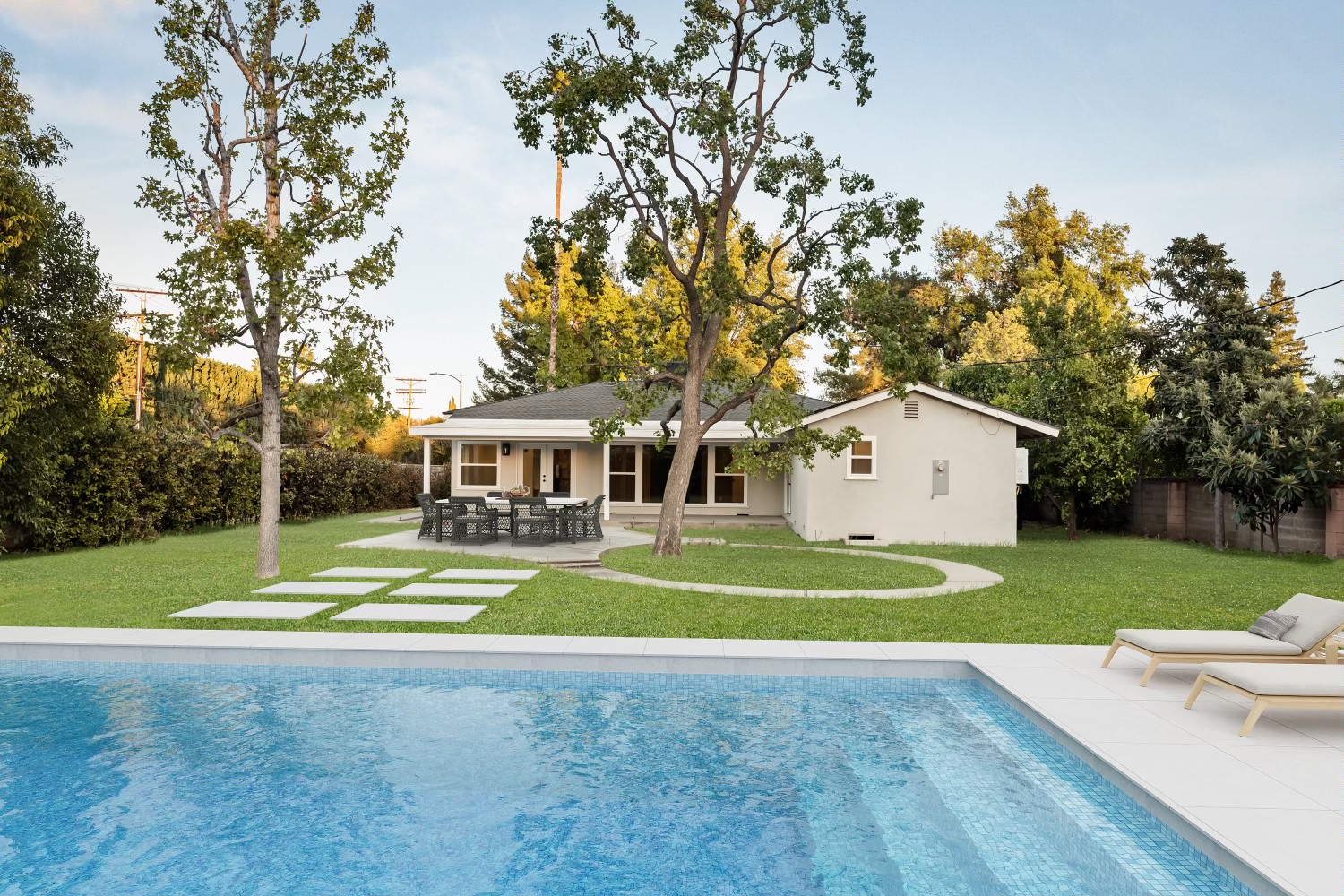
The most obvious question is whether there is enough room, but this is not only about square footage. The usable area matters more than the open area you see in the backyard.
A contractor will usually look at where the ADU could sit, how people would access it, how close it may be to property lines, how it affects the main house, whether privacy can be maintained, and whether construction access is realistic.
For example, a backyard may look large enough at first, but slopes, trees, utility lines, retaining walls, drainage issues, or awkward access can change the project scope.
Detached ADU, Attached ADU, or Garage Conversion?
There are several common ADU options, and the right one depends on the property and the homeowner’s goal.
- A detached ADU creates a separate backyard living space with more privacy.
- An attached ADU connects to the main home but can still function independently.
- A garage conversion uses an existing structure, which may be practical if the garage is underused.
- An interior conversion may work when there is existing space inside the home that can be converted properly.
A garage conversion can sound simple, but it still needs careful review. The existing structure may need work related to foundation, framing, insulation, utilities, fire separation, doors, windows, ventilation, and code compliance.
Access and Privacy Matter More Than Homeowners Realize
A successful ADU should feel functional for both the main home and the ADU occupant. That means thinking about how someone enters the unit, where they park if needed, how outdoor space is shared, and how privacy is handled.
Small design decisions can make a big difference. Fence placement, walkway location, lighting, window orientation, landscaping, and entry placement can help the ADU feel separate without making the main house feel crowded.
Utilities Need to Be Planned Early
An ADU may need plumbing, electrical, heating and cooling, ventilation, sewer connection, water service, and other utility planning. This is one of the biggest reasons the property should be reviewed before a homeowner gets attached to a design.
Utility work can affect cost, timeline, and construction complexity. For example, placing a bathroom and kitchen far from existing utility runs may be possible, but it may increase the amount of work involved.
Permits and Local Requirements Are Part of the Project
ADUs are not just design projects. They are construction projects that need to meet applicable building, zoning, safety, utility, and inspection requirements.
This is where many homeowners get overwhelmed. They may know they want an ADU, but they do not know what plans are needed, what the city will review, how inspections work, or what issues could delay approval.
A good contractor can help you understand the practical side of the project before construction begins.
Common ADU Planning Mistakes
A lot of ADU stress comes from planning too late. Some homeowners start with a dream layout before checking the property. Others assume a garage conversion will automatically be cheaper. Some underestimate utility work, drainage, access, or privacy.
Common ADU planning mistakes include:
- Choosing a design before reviewing the property
- Assuming every backyard can fit the same ADU layout
- Ignoring access for construction and future use
- Forgetting about privacy between the main home and ADU
- Underestimating utility work
- Not thinking about long-term use
- Waiting too long to discuss permits and inspections
Questions to Ask Before Building an ADU
Before building an ADU, ask yourself:
- What do we want the ADU to be used for?
- Do we want a detached unit, attached unit, or garage conversion?
- Where would the entrance be?
- How much privacy do we need?
- Are there slopes, trees, drainage issues, or utility conflicts?
- Will the ADU affect the backyard, driveway, or outdoor living space?
- What permits and inspections may be needed?
- What is our realistic budget and timeline?
Final Thoughts
An ADU can be one of the most useful upgrades you can make to your property, but it should start with a realistic property review. The right plan depends on your lot, your goals, your existing structures, your utilities, and how you want the space to function over time.
Before you decide on a floor plan, start with the bigger question: does this ADU make sense for the property and how you plan to use it?
Ready to Plan Your ADU?
Thinking about building an ADU in Los Angeles or Orange County? Lungu Construction Group can help you review your property, compare your options, and create a clear plan for your ADU project.
Contact Lungu Construction Group today to schedule a consultation and find out what may be possible for your property.